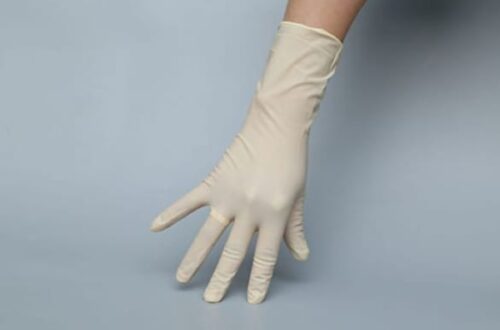
For many mothers, caring for a baby involves paying attention to many details—from whether the baby drinks formula or breast milk to introducing solid foods after six months. Mothers who enjoy baking might even make treats like small steamed buns for their babies. Wearing gloves during baking ensures better hygiene; PVC gloves are commonly used for this purpose, though nitrile gloves are also available on the market. So, which is better or healthier—nitrile or PVC gloves—and what exactly are the differences between them?

Before determining which type is better, let’s look at the differences between nitrile and PVC gloves:
1. Different Materials
Nitrile gloves are made from 100% nitrile rubber, which is produced through the emulsion polymerization of butadiene and acrylonitrile. PVC gloves are made primarily from polyvinyl chloride (PVC).
2. Different Characteristics
Nitrile gloves are free from proteins, amino compounds, and other harmful substances, making them less likely to cause allergic reactions. They are puncture-resistant, oil-resistant, and solvent-resistant, and feature a textured surface to prevent items from slipping during use.
PVC gloves have low ion content and offer resistance to weak acids and alkalis, along with good flexibility and tactile sensitivity
3. Different Uses
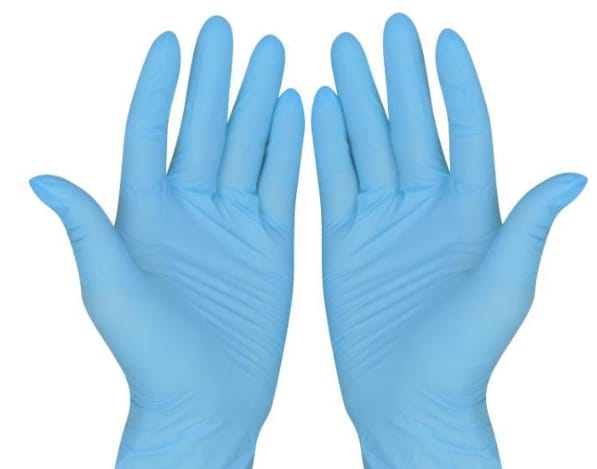
Nitrile gloves are used in medical, pharmaceutical, healthcare, beauty and hairdressing, and food processing industries.
PVC gloves are used in the manufacturing processes for semiconductors, LCDs, and hard drives; they are also suitable for health inspections, the food industry, the chemical industry, and the pharmaceutical industry.
Overall, both nitrile and PVC gloves are excellent choices; you can select the type that best suits your specific needs.