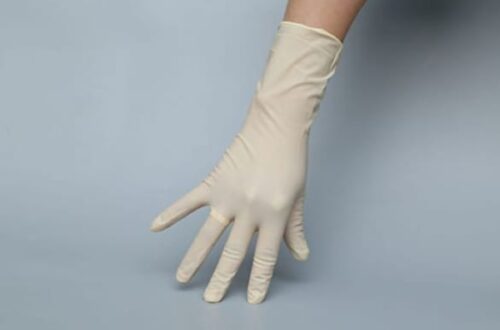
PVC gloves are generally non-toxic when of good quality and used correctly; however, risks may arise from improper use or substandard quality. A detailed analysis follows:
Non-toxic when of good quality and used correctly
PVC gloves are primarily made from polyvinyl chloride, with appropriate amounts of plasticizers and stabilizers added. For instance, CAMCLEAN™ disposable PVC gloves from Kanghui Technology utilize high-quality materials; they do not cause skin irritation or allergic reactions and are free from latex proteins, making them unlikely to trigger allergies.
Food-grade PVC gloves that meet relevant standards are manufactured using raw materials and additives that have undergone rigorous screening and testing; they pose no harm to the human body during normal use. In settings such as food processing and catering services, these gloves effectively prevent cross-contamination and ensure food safety.

Not heat-resistant; release toxic gases at high temperatures
PVC gloves lack heat resistance; they release toxic hydrogen chloride gas when temperatures exceed 50°C. In high-temperature work environments—such as welding or heat treatment—wearing PVC gloves can lead to decomposition upon contact with hot objects or exposure to high heat, resulting in the release of hydrogen chloride gas.
Hydrogen chloride gas has a pungent odor and is highly irritating to the human respiratory tract and eyes. Inhalation can cause symptoms such as coughing, breathing difficulties, and eye pain; in severe cases, it can even be life-threatening.
Potential for excessive additives in substandard gloves
If gloves are of substandard quality, levels of additives—such as plasticizers and stabilizers—may exceed safe limits. Plasticizers are chemicals used to enhance the flexibility and plasticity of plastics; common examples include phthalates. Stabilizers are used to prevent the plastic from decomposing or degrading during processing and use.
Prolonged wear of substandard PVC gloves may cause these excessive additives to leach out and enter the human body through skin contact. Excessive plasticizers can disrupt the endocrine system, affecting reproductive health and child development, while excessive stabilizers may cause chronic harm to the body, such as damaging the function of organs like the liver and kidneys.