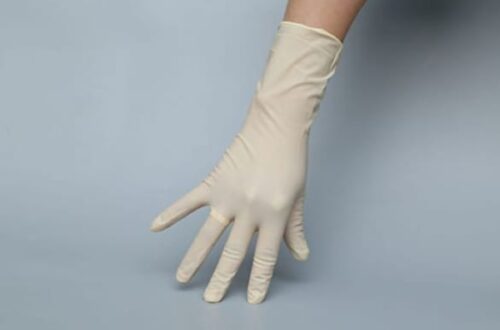
Nitrile and latex gloves are widely used in industries such as electronics manufacturing, mechanical processing, and food processing. Since both are disposable, many people are unsure how to choose between them. Here, we outline the differences between these two types of gloves.
Pros and Cons of Nitrile and Latex Gloves:
Nitrile Gloves (Material: NBR): Nitrile is a synthetic rubber primarily composed of acrylonitrile and butadiene.
Pros: Hypoallergenic, biodegradable, and available in vibrant colors (pigments can be added).
Cons: Lower elasticity; higher price than latex products. Nitrile offers superior chemical, acid, and alkali resistance compared to latex, which accounts for the higher cost.
Latex Gloves (Material: Natural Latex/NR):
Pros: Excellent elasticity and biodegradable.
Cons: Can cause allergic reactions in some people.
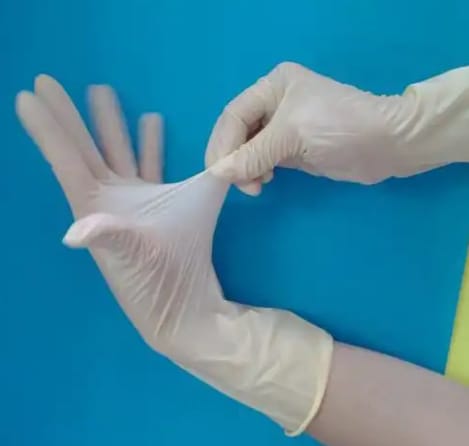
Differences Between Nitrile and Latex Gloves:
(1) Material
Latex gloves are also known as rubber gloves. Latex is a natural material derived from the sap of rubber trees. As a biosynthesized product, its composition and colloidal structure can vary significantly depending on tree species, soil conditions, climate, and other factors. In fresh, unadulterated latex, rubber hydrocarbons account for only 20%–40% of the total, with the remainder consisting of water and minor non-rubber components. These non-rubber components include proteins, lipids, sugars, and inorganic substances; some form composite structures with rubber particles, while others dissolve in the serum or exist as separate non-rubber particles.
“Nitrile gloves” is the common term for gloves made of nitrile rubber. Nitrile is a type of rubber and a key raw material in organic synthesis and pharmaceutical intermediates; it is primarily synthesized from acrylonitrile and butadiene. (Note: Nitriles are a class of organic compounds characterized by a distinct odor and decomposition upon contact with acids or alkalis.)
(2) Characteristics
Latex gloves: Compared to nitrile gloves, they are slightly inferior in terms of toughness and abrasion resistance but offer superior elasticity. While their resistance to abrasion, oils, acids, and alkalis is slightly lower than that of nitrile, they are not suitable for individuals with sensitive skin or for prolonged wear. Nitrile Gloves: These gloves are relatively firm with low elasticity but offer excellent abrasion resistance. They provide resistance to acids and alkalis (though some types do not protect against acetone or strong alcohols) and are antistatic. They are hypoallergenic, making them suitable for individuals prone to allergies and for prolonged wear.
Target Users and Industries
Laboratory Personnel: Nitrile gloves offer a comfortable, snug fit and stable performance. With excellent chemical resistance, they protect the skin from irritation and injury caused by chemicals, making them an excellent choice for laboratory staff.
Emergency Care: Serving as a barrier between the wearer and the patient, this is another key application area. Nitrile examination gloves are latex-free and hypoallergenic, making them an excellent choice for emergency responders to protect against bloodborne pathogens and other diseases during care.
Childcare: Some facilities have on-site childcare providers. Daycare staff wear gloves as a protective barrier between themselves and the children. Gloves are worn during tasks such as changing diapers, cleaning rooms, washing toys, and feeding children.
Food and Beverage Industry: Nitrile gloves fit comfortably and are suitable for extended wear, making them ideal for food processing and food service. While PVC and PE gloves are alternative options, they are suitable only for light, short-term tasks.
Assembly Line, Assembly, and Manufacturing Workers: Workers exposed to hazardous chemicals—such as those in battery manufacturing plants facing lead exposure—require gloves while working. Nitrile gloves are the best choice in these situations because they are made from synthetic rubber with excellent chemical resistance. Additionally, they offer superior comfort; the material conforms more closely to the hand as it warms up, providing better tactile sensitivity.
Hairdressing Industry: Nitrile gloves offer a comfortable fit suitable for prolonged wear, making them an ideal choice for the hairdressing industry by protecting the skin from chemical irritation and injury.
Packaging Workers: Packaging, occurring at the end of the processing line, is also subject to food safety regulations. Furthermore, wearing gloves prevents fingerprints from compromising the cleanliness of the packaging. Cleaning Staff: These workers need to wear gloves to protect themselves from the chemicals found in cleaning products and to guard against pathogen exposure when cleaning restrooms. Nitrile gloves are frequently used by this group because of their resistance to harmful chemicals.
Maintenance Workers: Maintenance personnel often come into contact with grease, engine oil, and various solvents while repairing production equipment and transport vehicles; consequently, they require hand protection during these tasks.
Security Personnel: Security staff need to wear gloves when conducting security checks to prevent cross-contamination through contact with the individuals being screened.

Print Workers: Printing facilities use various chemicals—such as emulsions, inks, oxidizing agents, and solvents—to produce items like labels. Disposable gloves help protect workers’ health by preventing exposure to these substances, which could otherwise cause issues such as nervous system damage resulting from skin absorption. Given the risks posed by these chemicals, nitrile gloves are an ideal choice.